19785 Crystal Rock Drive, Suite 211, Germantown, MD, 20874
Comfortable Care in Your Language: Spanish, Vietnamese, Mandarin and Cantonese.

Dentures in Germantown, MD – Full, Partial & Implant-Supported Dentures

Restore Your Smile with Custom Dentures at Clarksburg Dental CenterAt Clarksburg Dental Center, we understand the impact missing teeth can have on your self-confidence and oral health. Whether you’ve lost teeth due to age, injury, or decay, our custom-made dentures can restore both function and appearance, giving you a complete smile once again. We offer personalized solutions to meet your specific needs, ensuring you receive comfortable, natural-looking dentures that enhance your quality of life. We provide full dentures, partial dentures, and implant-supported dentures in Germantown, MD, customized for comfort, stability, and a natural look.

Clarksburg Dental Center | General Dentistry, Dental Bridges and Crowns

Advances in dental materials and laboratory techniques have transformed removable dentures from a purely functional solution into a predictable way to restore comfort, appearance, and everyday function. While modern dental implants and fixed bridgework are excellent choices for many people, removable dentures continue to be a reliable option for patients who need to replace several or all missing teeth. Their versatility and continual improvements in fit and aesthetics make them a practical choice for many smiles.

At Clarksburg Dental Center, our approach is to combine careful clinical assessment with thoughtful prosthetic design so each denture supports healthy chewing, clear speech, and a natural facial appearance. We focus on durable materials, accurate records, and step-by-step fabrication so the final restoration meets both practical and cosmetic goals.

This page explains how tooth loss affects oral health and facial form, what modern dentures are, the main denture types available today, and what to expect during the process of getting and wearing a new prosthesis. Our goal is to help you understand the options so you can discuss the best path for your needs with your dental team.

How tooth loss changes function, appearance, and quality of life

Losing one or more teeth is more than a cosmetic concern. Gaps alter how your bite distributes forces, which can cause remaining teeth to shift or wear unevenly. Over time, missing teeth often lead to changes in chewing efficiency, difficulty pronouncing certain sounds clearly, and a reduced ability to enjoy a varied diet. These functional impacts are why timely tooth replacement matters.

Beyond function, missing teeth affect facial support. The bone that once held teeth relies on stimulation from biting and chewing; without that stimulation, bone volume can shrink and soft tissues lose some of their natural firmness. The result may be a collapsed appearance around the mouth and a premature-looking change in facial contours. A well-designed denture restores much of the lost support and helps maintain a more youthful profile.

Emotional and social consequences are common as well. People often report lower confidence or reluctance to smile or speak in public when they are self-conscious about missing teeth. A removable denture, when carefully planned and fitted, can restore confidence by providing a stable, natural-looking replacement that integrates with daily life.

How removable dentures work and who they help

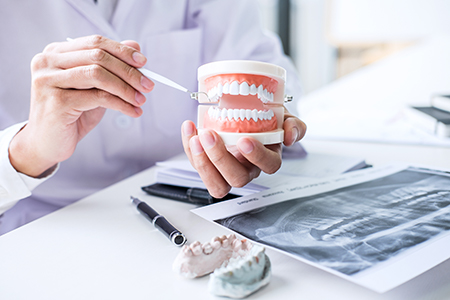
Removable dentures are prosthetic devices that rest on the gums and rely on contours of the mouth, tissue support, and sometimes existing teeth or implants for retention. They replace missing teeth with lifelike artificial teeth set into a gum-colored base. Because they are removable, patients can clean their prostheses outside the mouth and inspect oral tissues easily — a practical advantage for hygiene and ongoing care.

Dentures can be designed to replace a few teeth (partial dentures) or a full arch (complete dentures). Partial dentures use clasps, precision attachments, or frameworks to integrate with remaining teeth, while complete dentures rely on the fit and suction against the gums and underlying bone to stay in place. Modern materials and techniques make removable prostheses more comfortable and natural-looking than ever before.

For patients who need extra retention, removable options can be combined with dental implants. Implant-retained overdentures and similar designs use a limited number of implants as attachment points, markedly improving stability and patient confidence in everyday activities such as speaking and eating.

A woman in dental office holding up a blue model tooth while smiling broadly at camera.

Choosing the right type of denture for your situation

Selecting the most appropriate denture depends on how many natural teeth remain, the condition of those teeth, oral soft tissue health, and your personal goals for comfort and appearance. During a careful evaluation, we assess gum health, bone support, bite relationships, and the condition of any remaining teeth so we can recommend a solution that balances function with long-term oral health.

The two broad categories are full (complete) dentures, which replace all teeth in an arch, and partial dentures, which replace several teeth while integrating with the teeth that remain. When a full denture is planned, we often discuss whether an immediate denture (placed right after extractions) or a conventional denture (fabricated after tissues have healed) is most appropriate based on healing, comfort, and timing.

When a few natural teeth remain and are healthy, a removable partial denture can be a conservative, reversible option to restore chewing and prevent unwanted movement of adjacent teeth. For those seeking added security, implant-supported designs or overdentures that clip onto attachments can dramatically increase retention while still keeping the appliance removable for cleaning.

Complete denture solutions

Complete dentures replace all teeth in the upper or lower arch and are designed to restore both function and facial support. The shape and contours of the denture base, the placement of artificial teeth, and the occlusal surfaces are all planned to optimize chewing efficiency and a natural bite. Because each mouth is unique, customization during the try-in stages is essential to achieve comfortable function and a pleasing appearance.

Dental approaches: conventional, immediate, and overdentures

Conventional complete dentures are fabricated after extractions and tissue healing, which often leads to a more predictable fit. Immediate dentures are made in advance and placed at the time teeth are removed so the patient is never without teeth during healing; however, they typically need adjustments and may require relining as tissues remodel.

  • Immediate Denture

    Immediate dentures provide an immediate aesthetic solution when extractions are necessary. They help patients maintain appearance and speech during the healing phase but commonly need follow-up adjustments and, eventually, a reline or replacement to maintain optimal fit.

  • Overdenture

    Overdentures gain added stability by fitting over retained natural tooth roots or specially placed attachments on selected teeth. By preserving roots or using attachments, an overdenture can reduce bone loss and improve control while chewing.

  • Implant-Supported Dentures

    Implant-supported removable dentures attach to dental implants placed in the jaw. These designs offer superior retention and are an excellent option when patients want the security of implants while still using a removable prosthesis for ease of cleaning and maintenance.

Partial denture strategies

Partial dentures fill spaces left by missing teeth and help prevent shifting of the remaining dentition. They can be fabricated from traditional cast metal frameworks, flexible resins for a more discreet appearance, or hybrid materials that balance strength and comfort. Proper design is important to distribute chewing forces and maintain the health of adjacent teeth.

Partial designs not only restore looks and function but also act as a stabilizing appliance to protect the alignment of the remaining teeth. Our clinical team evaluates each case carefully so the partial integrates with your bite and serves your long-term oral health goals.

At our Germantown practice, we consider the condition of surrounding teeth, periodontal health, and occlusion when recommending partial denture options. A tailored design can make a significant difference in comfort and durability.

Design, fitting appointments, and how we fine-tune the result

Creating a denture is a stepwise process that relies on precise records and collaborative adjustments between the lab and the clinical team. Impressions, bite records, and trial setups allow us to evaluate aesthetics, speech, and the relationship between the jaws before the final denture is processed. Thorough communication during try-ins ensures the final prosthesis reflects the patient’s needs and preferences.

Fit and comfort are the result of careful contouring of the denture base, correct positioning of teeth, and attention to how the denture interacts with muscles and soft tissues. We make minor adjustments after insertion to relieve pressure points and improve function, and we schedule follow-up visits to monitor adaptation and make any necessary refinements.

For many patients, a period of adaptation is normal. Our team provides practical guidance on speaking, chewing, and daily care to speed the transition and minimize discomfort. When additional retention is desired, we discuss attachment options, adhesive use, or implant-retained solutions as clinical conditions allow.

An elderly couple sitting outdoors with a large golden retriever dog.

Caring for your denture and maintaining oral health

Proper daily care keeps dentures clean, comfortable, and long-lasting. Rinse your denture after meals, brush it gently with a denture brush to remove deposits, and soak as recommended to prevent staining and bacterial buildup. When not in use, storing the denture in water or a recommended soaking solution helps preserve the base shape and prevents drying.

Oral health care does not stop with a denture. Brush any remaining teeth and gently clean gums, tongue, and palate to maintain tissue health. Regular dental checkups are important to assess fit, examine the condition of supporting tissues, and address changes that can occur as the jawbone and soft tissues remodel over time.

Relines and periodic adjustments are normal maintenance procedures that help extend the useful life of a denture and keep function comfortable. If you are considering implant-supported options to enhance stability, those treatment pathways are planned after thorough diagnostic evaluation and discussion of clinical goals.

At Clarksburg Dental Center, our focus is on predictable, well-fitted dentures that restore function and appearance while promoting oral health. If you would like to learn more about how a removable denture might fit into your treatment plan, contact us for more information. We’ll be happy to discuss your needs and outline next steps.
Frequently Asked Questions

What are dentures and who are they for?

+

Dentures are removable prosthetic devices that replace missing teeth and the surrounding gum tissue with lifelike artificial teeth set in a gum-colored base. They can restore a single arch or both upper and lower arches and are designed to sit on the gums, using tissue contours, remaining teeth, or implants for support and retention. Because they are removable, dentures allow patients to clean the prosthesis outside the mouth and to inspect oral tissues easily, which can simplify daily hygiene.

Patients who benefit from dentures include those who are missing several or all teeth, people seeking a reversible or less invasive option than fixed restorations, and individuals who prefer a prosthesis that can be removed for cleaning. Advances in materials and laboratory techniques have improved fit, comfort, and aesthetics, making modern dentures a predictable solution for many treatment goals. Your dental team will evaluate oral health, jaw relationships and personal needs to determine whether a removable denture is appropriate for you.

How do dentures restore chewing, speech and facial support?

+

Missing teeth change how biting forces are distributed, which can reduce chewing efficiency and alter speech patterns. A well-designed denture recreates the biting surfaces and proper tooth relationships to help restore chewing function and improve clarity of speech. Proper occlusion and tooth positioning are important to avoid uneven wear or discomfort and to maximize the ability to eat a varied diet.

Beyond function, dentures help restore facial support that can be lost when bone and soft tissues resorb after tooth loss. The denture base is contoured to support the lips and cheeks, helping preserve a more natural facial profile. Thoughtful design of vertical dimension and tooth placement contributes to a balanced appearance while maintaining comfort during everyday movement.

What types of removable dentures are available?

+

Removable dentures fall broadly into partial and complete categories: partial dentures replace several missing teeth while integrating with the remaining dentition, and complete dentures replace all teeth in an arch. Partial designs may use clasps, precision attachments or metal frameworks, while complete dentures rely on tissue adaptation and suction against the gums and underlying bone for retention. Materials range from traditional acrylics and cast frameworks to flexible resins and hybrid materials that improve comfort and esthetics.

There are also variations within these categories, such as immediate dentures placed at the time of extractions and conventional dentures fabricated after healing. Immediate dentures provide continuous tooth replacement during the healing phase but often require adjustments or relines as tissues remodel. The best choice depends on the number of remaining teeth, tissue health, occlusion and your personal goals for function and appearance.

How do implant-supported dentures and overdentures differ from conventional removable dentures?

+

Implant-supported dentures attach to dental implants placed in the jaw and offer significantly increased retention and stability compared with conventional tissue-supported dentures. Overdentures are a related approach that fit over retained tooth roots or attachments on selected teeth, which can preserve bone and improve control while chewing. Both implant-retained and overdenture designs keep the prosthesis removable for cleaning while providing better confidence during speaking and eating.

These options can reduce common complaints about looseness and improve masticatory efficiency, particularly for lower-arch prostheses where suction is more difficult to achieve. Choosing an implant-retained solution requires a diagnostic evaluation to assess bone volume, medical considerations and long-term maintenance. Your dentist can explain whether implant attachments or preserved roots are clinically appropriate for your situation and treatment goals.

What should I expect during the denture design and fitting process?

+

The denture process is stepwise and relies on precise records such as impressions, bite registrations and trial setups to evaluate aesthetics, speech and the relationship between the jaws. These clinical steps allow the laboratory and the dental team to preview tooth position, shape, and the way the denture base interacts with muscles and soft tissues before the final prosthesis is processed. Clear communication during try-ins is essential so the final restoration reflects the patient’s functional needs and cosmetic preferences.

After insertion, the team will check fit and comfort, relieve pressure points and refine occlusion to improve function. Follow-up visits are scheduled to monitor adaptation, make necessary adjustments and plan routine maintenance such as relines or repairs. At Clarksburg Dental Center we combine clinical assessment with careful prosthetic design to help ensure dentures support chewing, speech and a natural facial appearance.

How long does it take to adapt to new dentures and how can patients speed the adjustment?

+

An adaptation period is common after receiving new dentures, with most patients noticing gradual improvements in comfort, chewing and speech over several weeks. Early challenges can include minor soreness, increased saliva production and difficulty articulating certain sounds; these usually diminish as muscles and oral tissues adjust to the prosthesis. Practicing speaking aloud, starting with soft foods and cutting items into smaller pieces can help rebuild confidence and function more quickly.

Regular follow-up appointments are important to address sore spots and make fine adjustments that speed adaptation. When additional retention is needed, the dentist may recommend attachments, adhesives or implant-retained solutions depending on clinical findings. If persistent problems continue beyond the typical adaptation window, returning to the practice for evaluation will help identify and resolve the underlying issues.

How should patients clean and care for their dentures?

+

Daily denture care helps prevent staining, bacterial buildup and odor while preserving fit and longevity. Patients should gently rinse dentures after meals, brush them with a soft denture brush and nonabrasive cleanser, and soak them overnight in water or a recommended soaking solution to keep the base from drying and deforming. Avoid hot water that can warp acrylic and be cautious with abrasive household cleaners that can damage denture surfaces.

Oral hygiene of the remaining natural teeth and soft tissues remains essential even with a denture in place. Brush any remaining teeth, clean gums, tongue and palate with a soft brush and attend regular dental examinations to monitor tissue health and fit. Periodic relines, repairs and adjustments are normal maintenance steps to ensure continued comfort and function.

When do dentures need adjustments, relines or replacement?

+

As the jawbone and soft tissues remodel over time, dentures can become loose or develop pressure points that lead to soreness and difficulty chewing. Relines re-adapt the denture base to the changing tissue contours and are a common way to restore a more accurate fit without replacing the entire prosthesis. Adjustments are often performed shortly after insertion to relieve localized discomfort and to fine-tune occlusion.

Repair is needed if the prosthesis fractures or if teeth become detached, and eventual replacement may be necessary when wear, extensive base deterioration or significant changes in facial support occur. Your dentist will assess fit and function during routine visits and recommend relining, repair or replacement based on clinical findings rather than a fixed timeline. Converting a removable denture to an implant-retained design can also be considered when appropriate following a diagnostic evaluation.

Can partial dentures help protect remaining natural teeth?

+

Yes, a properly designed partial denture can stabilize the bite and help prevent unwanted shifting of adjacent natural teeth after tooth loss. By restoring contacts and sharing chewing forces, a partial prosthesis supports occlusion and reduces the risk of neighboring teeth drifting into the space. Careful design choices, such as appropriate clasping and framework distribution, are important to avoid overloading abutment teeth and to maintain long-term oral health.

Regular checkups and maintenance are essential when a partial is in place to monitor periodontal health and the condition of abutment teeth. In some cases, restorative treatments such as crowns or precision attachments may be recommended to improve support and retention. Your dentist will evaluate tooth condition, gum health and occlusion to recommend a partial design that balances function with preservation of the remaining dentition.

How do I find out whether dentures are the right choice for me?

+

Deciding whether dentures are the right treatment begins with a comprehensive clinical evaluation that includes an oral exam, imaging as needed and a review of your medical history and personal goals. Your dentist will discuss alternatives such as fixed bridges or implant-supported restorations, explain the advantages and limitations of each option, and consider factors such as the condition of remaining teeth, bone support and long-term maintenance needs. Open dialogue about function, appearance and lifestyle helps the dental team recommend the most suitable path.

If you would like to explore denture options, schedule a consultation with the practice to review your case and obtain a tailored treatment plan. The team in Germantown can outline expected clinical steps, explain how different denture designs would address your goals, and coordinate any additional diagnostics needed to make an informed decision. Contact Clarksburg Dental Center to arrange a visit and begin the evaluation process.

Hours

Monday
7:00 am - 7:00 pm
Tuesday
7:00 am - 7:00 pm
Wednesday
7:00 am - 7:00 pm
Thursday
7:00 am - 4:00 pm
Friday
Closed
Saturday
Closed
Sunday
Closed

Proudly serving patients in Clarksburg, Germantown and the surrounding area.