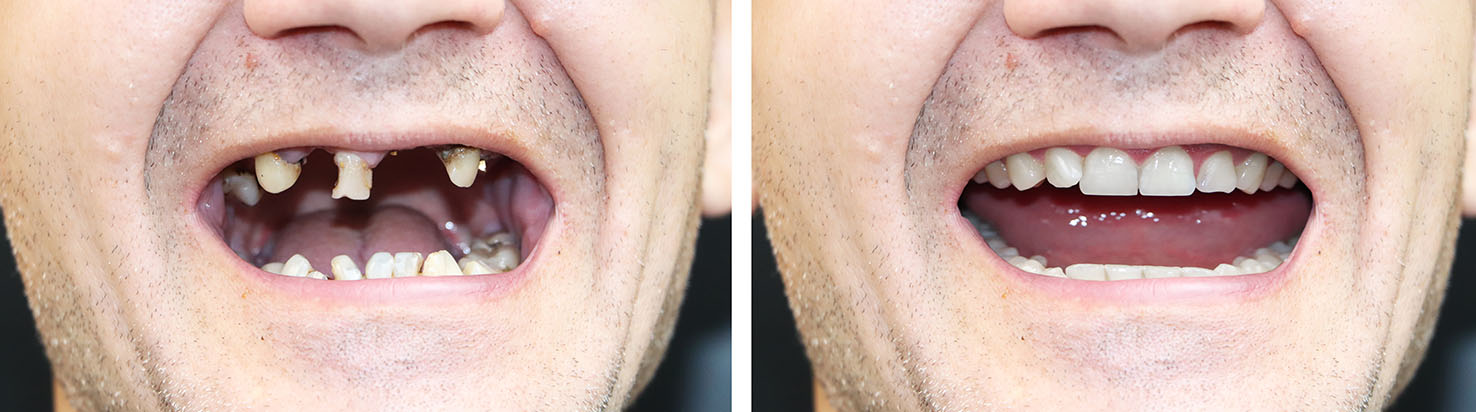
Edentulism, or missing teeth, is common in the United States. In fact, according to research, 120 million adults are missing at least one tooth. Experts expect this to increase within the next 2 decades. Edentulism affects the most vulnerable populations, the economically disadvantaged, and the aging. In the senior population, approximately 23 million people are missing all their teeth and approximately 12 million are missing at least one arch.
Rebuilding Confidence: Modern Solutions for Missing Teeth
Missing teeth can affect more than just the way your smile looks — they can change how you eat, speak, and feel about yourself. Adults lose teeth for many reasons, including injury, decay, and periodontal disease. When tooth loss occurs, the spaces left behind can cause neighboring teeth to shift, make chewing less efficient, and accelerate changes to facial support over time. Fortunately, implant dentistry provides a reliable way to restore both function and appearance.
Implants are designed to recreate the missing root and support a natural-looking replacement tooth. This approach preserves the health of surrounding teeth and bone while giving patients a stable, comfortable result that performs much like a natural tooth. For people seeking a long-term solution that doesn’t require altering adjacent teeth, implants are often the preferred choice.
Restore chewing function and bite efficiency
Prevent neighboring teeth from shifting
Preserve jawbone and facial contours
Provide a natural, stable, and long-lasting solution
Enhance confidence and overall quality of life
At Clarksburg Dental Center, we focus on creating personalized implant plans that reflect each patient’s unique anatomy and goals. Advances in digital imaging and restorative materials mean implants today are more predictable and discreet than ever. Whether you’re replacing a single tooth or rebuilding an entire arch, modern implant care aims to restore comfort, chewing efficiency, and a confident smile.
What makes implants feel like real teeth
Dental implants differ from traditional bridges and removable dentures because they replace the tooth root, not just the crown. A small, biocompatible post is anchored in the jawbone and provides a solid foundation for a crown, bridge, or denture. This root-like support stabilizes the overlying restoration so it behaves like a natural tooth during biting and speech.
Because implants maintain direct connection with the jawbone, they help preserve bone volume and facial contours that otherwise decline after tooth loss. This effect can slow the gradual collapse of the jawline and keep adjacent teeth from drifting into the empty space. These structural benefits translate into long-term comfort and a more natural facial profile.
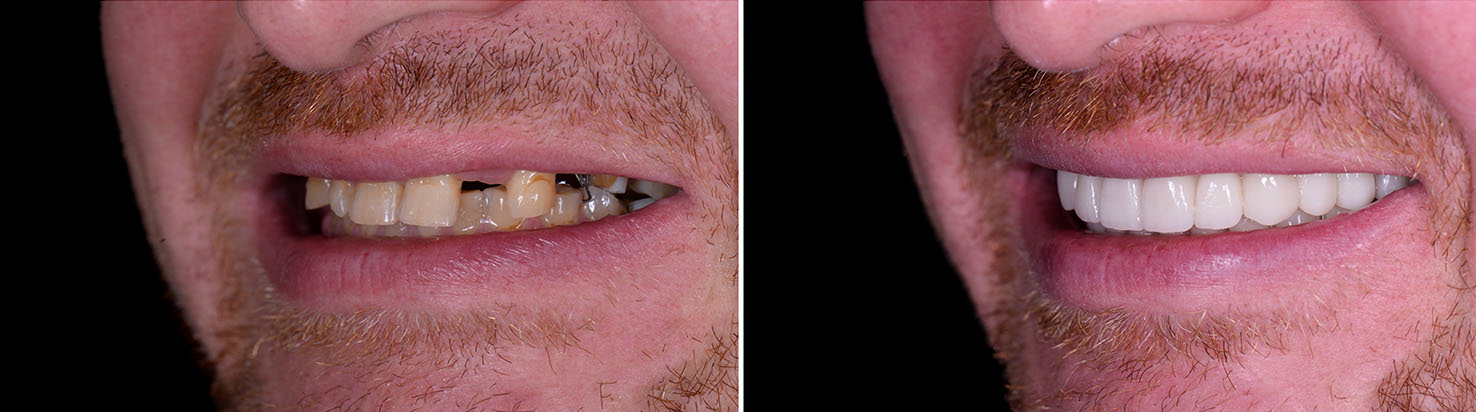
When implants are paired with high-quality crowns or bridges, the result is both functional and aesthetic. Proper planning and precise restorative work ensure that the replacement tooth blends with surrounding dentition in color, shape, and alignment, delivering a seamless final outcome.
How Implants Work: From Planning to Integration
Understanding the implant and how it bonds with bone
An implant typically consists of a threaded metal post that is surgically placed into the jaw. Over several months, the surrounding bone grows tightly around that post in a process called osseointegration. Once integration is complete, the implant becomes a stable anchor for a custom restoration. This biological bonding is the foundation of an implant’s long-term success.
Implant materials and surface technologies have evolved to encourage faster and more effective integration. Careful surgical technique, good patient health, and attention to oral hygiene are all important contributors to successful osseointegration. Your treatment plan will outline realistic timelines and milestones for healing and restoration.
Not every tooth replacement system uses the same schedule. In some cases a temporary restoration can be placed right away for aesthetics and function; in others, waiting for full integration produces a more secure long-term result. Your clinician will explain which approach fits your particular situation and why.
Choosing the Right Implant Solution for Your Smile
Single-tooth replacements that conserve healthy teeth
Standalone implant with a crown
A single dental implant restored with a crown replaces one missing tooth without changing adjacent natural teeth. Because the implant supports the crown independently, there is no need to alter neighboring enamel for a traditional bridge. The result is a conservative, aesthetic restoration that preserves healthy tooth structure.
Implant-supported bridges for multiple gaps
When two or more teeth are missing in a row, an implant-supported bridge can replace the teeth without relying on the neighboring teeth for support. Strategically placed implants hold the bridge in place, maintain bone stimulation beneath the prosthetic teeth, and eliminate the need to prepare healthy teeth for crowns.
Fixed full-arch solutions
For patients missing most or all teeth in an arch, a fixed full-arch restoration supported by several implants provides a non-removable, highly stable replacement. This option restores chewing efficiency and facial support, eliminates the need for adhesives, and offers a long-term, low-maintenance alternative to traditional dentures.
Removable implant-retained dentures
Implant-retained overdentures snap onto small attachments anchored by implants, providing far greater stability than conventional dentures. While the denture itself remains removable for cleaning, implant retention dramatically reduces slipping and allows patients to speak and eat with more confidence.
Determining if You’re a Candidate for Implants
A careful evaluation sets the stage for predictable results
Good candidates for implants are in overall stable health, free from uncontrolled medical conditions that could affect healing, and committed to maintaining excellent oral hygiene. A comprehensive evaluation includes dental imaging to check bone volume and the spatial relationships of adjacent structures. This diagnostic work helps determine whether augmentative procedures are needed before implants can be placed.
Bone grafting and sinus elevation are common adjunctive procedures when natural bone height or width is insufficient to support an implant. These procedures rebuild the foundation needed for stable implant placement and are routine parts of modern implant therapy. Your clinician will discuss the reasons for any recommended preparatory procedures and what to expect during recovery.
Treatment planning is a collaborative process. We’ll review your medical and dental history, listen to your goals, and create a step-by-step plan that balances predictability with your aesthetic and functional priorities. The aim is a restoration that feels natural, looks harmonious with your smile, and meets your daily needs.
Surgery, Healing, and Long-Term Care
What to expect during treatment and recovery
Placing an implant is generally performed as a minor surgical procedure in an outpatient setting. Local anesthesia, and sedation if desired, help ensure comfort during the appointment. The surgical phase emphasizes precise positioning to protect vital structures and optimize restorative outcomes. After placement, a period of healing follows while the implant becomes integrated with bone.
Post-operative instructions cover pain management, oral hygiene, and activity restrictions to support recovery. Regular follow-up visits allow your clinician to monitor healing and plan the transition to the final restoration. Most patients find the recovery manageable, and any short-term discomfort resolves as healing progresses.
Protecting your investment for years to come
Once your implant restoration is in place, maintaining it is straightforward: daily brushing, flossing around the restoration, and routine dental checkups help preserve both the implant and surrounding tissues. Implants do not decay, but the tissues around them can be affected by plaque and inflammation, so prevention is important. Professional assessments include checking the implant’s stability and the condition of the prosthetic components.
Because implant care is personalized, your team will recommend a maintenance schedule tailored to your needs. With thoughtful hygiene and periodic professional attention, implants can provide a long-lasting foundation for comfortable, dependable tooth replacement.
When additional procedures are necessary
Bone grafts, ridge augmentation, and soft-tissue grafts are common solutions when anatomy requires enhancement before or during implant placement. These procedures rebuild the support needed for a stable implant and help achieve the best possible aesthetic outcome. Modern grafting techniques are predictable and can be coordinated into the overall treatment plan to minimize total treatment time.
Clear communication before surgery — including discussions about anesthesia, steps of care, and realistic healing timelines — helps patients feel prepared and confident. Your care team will provide detailed pre-op and post-op instructions so you know what to expect at each stage.
Summary: Implant dentistry offers a durable, natural-feeling way to replace missing teeth and restore daily function. From single-tooth crowns to full-arch restorations, careful planning and modern techniques let us tailor solutions to each patient’s needs. If you’d like to learn more about whether implants are right for you, contact us for more information.
Our Office
19785 Crystal Rock Drive, Suite 211, Germantown, MD, 20874
Dental implants are small, biocompatible posts that are placed in the jaw to replace missing tooth roots and support restorations such as crowns, bridges, or dentures. They are typically made from titanium or other implant-grade materials that integrate with bone through a process called osseointegration. Because implants restore root function as well as the visible tooth, they provide stability for chewing and help maintain facial support over time.
Modern implant therapy combines surgical placement with precision restorative work to recreate a natural-looking tooth. Careful planning with dental imaging ensures implants are positioned to protect adjacent teeth and important anatomical structures. The end result is a durable, functional solution that often feels and performs like a natural tooth.
How do implants become part of the jawbone?
+
After an implant post is placed, the surrounding bone gradually grows and bonds to the implant surface in a process called osseointegration. This biological attachment takes place over weeks to months and is influenced by the implant material, surface technology, and the patient's overall health. Successful osseointegration creates a stable foundation capable of supporting a custom restoration.
Good surgical technique and postoperative care are important to promote predictable integration. Your clinician will explain the expected timeline and any temporary solutions that may be used while the implant heals. Regular follow-up visits allow the team to monitor bone healing and plan the transition to the final crown or prosthesis.
Who is a good candidate for dental implants?
+
Good candidates are adults in generally stable health who are committed to maintaining excellent oral hygiene and attending regular dental visits. Adequate jawbone volume and healthy gum tissues are important, though many patients with insufficient bone can still qualify after grafting procedures. Uncontrolled systemic conditions that impair healing or heavy tobacco use may require special consideration before moving forward with implant therapy.
A comprehensive evaluation, including dental imaging and a review of medical history, determines candidacy and helps identify any preparatory steps. The treatment plan is individualized to balance predictability with the patient's aesthetic and functional goals. Your clinician will discuss alternatives and recommend the approach that best supports long-term success.
What are the typical steps in implant treatment and how long does it take?
+
Implant treatment usually begins with a thorough consultation and diagnostic imaging to map the jaw anatomy and plan implant placement. The surgical phase involves placing the implant posts, followed by a healing period during which osseointegration occurs; this can last several weeks to a few months depending on the case. Once integration is confirmed, the restorative phase attaches a custom crown, bridge, or denture to the implants.
The overall timeline varies with factors such as the need for bone grafting, the number of implants, and the chosen restorative approach. In some situations a temporary restoration can be provided immediately for aesthetics and function, while other cases benefit from delayed loading for enhanced stability. Your treatment plan will outline realistic milestones and expected recovery intervals.
What types of implant restorations are available?
+
Implant restorations range from single crowns to implant-supported bridges, fixed full-arch prostheses, and removable implant-retained overdentures. A single implant with a crown replaces an individual tooth without altering neighboring teeth, while an implant-supported bridge can span multiple missing teeth without using adjacent teeth as anchors. Fixed full-arch solutions replace an entire dental arch with a nonremovable prosthesis anchored to several implants for high stability.
Removable implant-retained dentures snap onto attachments and offer improved retention compared with conventional dentures while remaining easy to clean. The choice of restoration depends on the number of missing teeth, bone availability, and the patient's functional and aesthetic priorities. Your clinician will explain the benefits and maintenance needs of each option to help you choose the best solution.
When is bone grafting or a sinus lift necessary for implants?
+
Bone grafting is recommended when the jaw lacks sufficient height or width to support an implant securely and to protect adjacent structures. Common grafting techniques rebuild lost bone using the patient's own bone, donated bone material, or synthetic substitutes to create a stable foundation for implant placement. A sinus lift is a specific grafting procedure used in the upper back jaw when the sinus floor is too close to the planned implant site.
These preparatory procedures are routine parts of modern implant therapy and can often be integrated into the overall treatment plan to achieve predictable outcomes. Healing time after grafting varies with the extent of augmentation but is planned to allow reliable osseointegration of the eventual implant. Your clinician will discuss the rationale, expected healing course, and how grafting supports long-term implant success.
What should I expect during surgery and the immediate recovery period?
+
Implant placement is typically performed in an outpatient setting using local anesthesia, and sedation can be offered for additional comfort when appropriate. The procedure emphasizes precise positioning to avoid vital structures and optimize the final restorative result, and most patients experience a few days of mild swelling or discomfort that is well-managed with approved medications and home care. Postoperative instructions cover oral hygiene, diet modifications, and activity to support healing.
Follow-up visits during the healing phase allow the clinician to monitor tissue response and bone integration and to plan the transition to the definitive restoration. Most patients return to normal activities within a short period and find that any short-term effects subside as healing progresses. Clear communication about expectations and aftercare helps patients feel prepared throughout the process.
What are the potential risks and how are complications managed?
+
As with any surgical procedure, implant therapy carries potential risks such as infection, inflammation of surrounding tissues, nerve irritation, or failure of the implant to integrate. Careful treatment planning, sterile technique, and adherence to postoperative instructions minimize these risks. If complications arise, early evaluation allows the team to recommend appropriate measures such as antibiotics, localized treatment of soft tissues, or, in rare cases, removal and replacement of the implant.
Long-term monitoring is an important part of prevention and early detection of issues; routine dental visits include checks of implant stability and the health of surrounding gums and bone. Maintaining good oral hygiene and addressing changes promptly help preserve implant longevity. Your clinician will explain signs to watch for and how the practice manages unexpected outcomes.
How do dental implants affect jawbone health and facial appearance?
+
Dental implants stimulate the jawbone much like natural tooth roots, helping to preserve bone volume and prevent the resorption that typically follows tooth loss. By maintaining bone height and width, implants support facial contours and can reduce the gradual thinning and collapse of the lower face that sometimes accompanies long-term tooth loss. This structural benefit contributes to a more natural facial profile and improved support for lips and cheeks.
Restoring proper bite forces with implants also helps distribute chewing pressure evenly, which protects remaining teeth and the supporting bone. Over time, this balanced function can improve oral comfort and overall oral health. The restorative team plans implant placement to maximize both functional and aesthetic outcomes for the patient's unique anatomy.
How do I get started with implant treatment at Clarksburg Dental Center?
+
Begin with a consultation at Clarksburg Dental Center in Germantown, MD, where the team will review your medical and dental history, perform a clinical exam, and obtain diagnostic imaging to assess bone anatomy and prosthetic needs. This visit includes a discussion of treatment options tailored to your goals and a step-by-step plan outlining recommended procedures and expected timelines. The practice emphasizes clear communication so you understand each phase of care and the rationale behind clinical decisions.
During planning, the clinician will explain any preparatory work that may be needed and coordinate surgical and restorative appointments for a smooth experience. Follow-up visits are scheduled to monitor healing, finalize restorative details, and establish a maintenance routine to protect your new implant restoration. If you have questions about implant therapy, the team will provide focused answers to help you make an informed choice.
Our Office
19785 Crystal Rock Drive, Suite 211, Germantown, MD, 20874