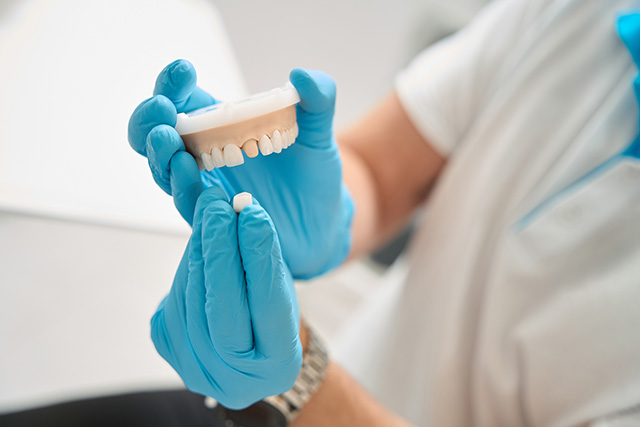
Damaged or broken teeth can affect your confidence and your ability to chew comfortably. Traditional dental crowns often require multiple appointments, leaving you with a temporary restoration for weeks. That’s where Same-Day Crowns come in! Clarksburg Dental Center is your trusted provider for these innovative Same-Day Crowns in Germantown, MD.
Same‑Day Crowns: Fast, Durable Restorations for Busy Patients
A dental crown is a custom-made cap that fits over a damaged or weakened tooth to restore its shape, strength, and function. Same‑day crowns use modern digital workflows to complete that restoration in a single visit, removing the need for temporary crowns and multiple appointments. For patients who want dependable results without repeated trips, this approach streamlines care while delivering predictable outcomes.
Crowns are recommended when a tooth has been significantly fractured, is extensively decayed, contains a large filling, supports a bridge, or tops an implant. The goal is the same whether a crown is made conventionally or in one visit: protect the remaining tooth structure and reestablish comfortable chewing and a natural appearance. Patients often appreciate how same‑day options reduce disruption to work and family schedules.
Because the restorative process replaces the visible portion of the tooth, a well-made crown also improves aesthetics. Contemporary materials and digital shading systems allow clinicians to match nearby teeth closely, producing results that blend in while delivering the durability needed for everyday function.
Benefits of Same‑Day Crowns
Complete restoration in a single visit, no temporary crowns required
Digital scanning and milling provide precise fit and anatomy
Durable materials that mimic natural tooth color and translucency
Reduced appointments save time and minimize disruption to daily life
How Digital Design and Milling Deliver Precision
Same‑day crowns rely on an integrated digital workflow: an intraoral scanner captures a detailed 3D image of the prepared tooth, CAD software is used to design the restoration, and an in-office milling unit fabricates the crown from a solid block of ceramic. This closed-loop process reduces potential errors that can occur with traditional impressions and laboratory turnaround.
Digital design allows the dental team to evaluate margins, contacts, and occlusion on screen before fabrication begins. Adjustments can be made quickly and with fine control, which helps ensure the crown fits snugly against the tooth and aligns properly with opposing teeth. The result is a restoration that requires minimal chairside reshaping once milled.
Milling machines have become highly capable of producing anatomically accurate crowns with smooth surfaces and precise margins. After milling, the restoration is finalized—stained, glazed, or polished—to refine color and translucency. Because the entire process happens under one roof, patients leave with a finished crown the same day it’s prescribed.
Materials and Aesthetic Choices for Lasting Results
Crowns can be made from several materials, each with advantages that influence where they are recommended. Full‑contour ceramics, such as lithium disilicate or zirconia, combine excellent aesthetics with significant strength and are commonly used for same‑day restorations. These options are metal‑free and can closely mimic the look of natural enamel.
Porcelain-fused-to-metal remains an option in cases demanding extra strength, particularly for back teeth under heavy chewing forces, though modern all‑ceramic systems have narrowed the performance gap. Metal crowns—especially high noble alloys—offer exceptional durability but are used less often when a tooth’s appearance is a priority. Your clinician will discuss the best material based on the tooth’s location, the bite, and aesthetic goals.
Key Considerations for Choosing Crown Materials
Ceramic or zirconia: natural look, metal-free, suitable for front and back teeth
Porcelain-fused-to-metal: combines strength of metal with tooth-like appearance
Metal: highly durable, ideal for molars, but less aesthetic
Color matching: essential for seamless appearance, digital tools help ensure a precise shade
What to Expect During Your Same‑Day Crown Visit
A typical same‑day crown appointment begins with a focused exam and any necessary x‑rays to confirm the tooth’s suitability for restoration. Local anesthesia is used as needed to ensure patient comfort while the tooth is prepared. Preparation involves removing damaged or weakened tissue and shaping the tooth to receive the crown with precise margins.
After preparation, the team captures a digital scan of the area. While the milling unit fabricates the crown, the clinician adjusts the design to refine contacts and occlusion. The freshly milled crown is tried in, checked for fit and bite balance, and then permanently cemented or bonded once both the clinician and patient are satisfied with comfort and appearance.
Because the entire process is completed in one appointment, patients avoid the temporary restorations and extra visits required by traditional methods. Mild sensitivity to temperature or pressure is common for a short time after treatment and typically resolves within a few days to weeks. The team will review any post‑treatment care instructions before you leave.
Protecting Your Investment: Care and Follow‑Up for Crowns
Proper home care helps crowns perform well for many years. Brush twice daily with a soft to medium toothbrush and fluoride toothpaste, and floss daily, taking care to clean the crown margins where plaque can accumulate. Maintaining routine dental checkups and professional cleanings allows the clinician to monitor the crown and the surrounding gum tissue for early signs of wear or decay.
Avoiding excessively hard or sticky habits—such as opening things with your teeth, biting hard seeds, or repeatedly chewing very hard objects—reduces the risk of chipping or loosening a crown. If you clench or grind your teeth, mention it to the dental team; a protective appliance or other strategies may be recommended to reduce stress on restorations.
If a crown feels unusually loose, causes persistent discomfort, or if you notice new sensitivity or swelling around the tooth, contact the practice promptly so the issue can be evaluated. Early attention to changes helps prevent small problems from becoming more complex and preserves both the crown and the underlying tooth.
Same‑day crowns combine modern dental technology with efficient in‑office workflows to restore function and aesthetics in a single appointment. For patients seeking a reliable, streamlined solution, this approach minimizes downtime while maintaining clinical quality. To learn more about whether a same‑day crown is the right option for your situation, please contact Clarksburg Dental Center for more information.
Our Office
19785 Crystal Rock Drive, Suite 211, Germantown, MD, 20874
What are same-day crowns and how do they differ from traditional crowns?
+
Same-day crowns are full dental restorations that are designed, milled, and placed during a single office visit using a digital workflow. Unlike traditional crowns, which typically require physical impressions, temporary crowns, and a separate lab-fabrication appointment, same-day restorations use an intraoral scanner and an in-office milling unit to complete the process under one roof. This approach eliminates the need for a temporary restoration and reduces the number of visits required to restore a damaged tooth.
The clinical goal remains the same as with conventional crowns: protect weakened tooth structure, restore chewing function, and deliver a natural appearance. Digital design tools let clinicians evaluate margins, contacts, and occlusion on-screen before fabrication begins, which helps produce a precise fit. Because production and finalization occur in the office, patients leave with a finished crown the same day it is prescribed.
Who is a good candidate for a same-day crown?
+
Patients who have a tooth that is fractured, extensively decayed, or has a large existing filling are often good candidates for a same-day crown, provided the tooth has sufficient remaining structure to support a restoration. Same-day crowns are also commonly used to restore single teeth that require aesthetic improvement or to cover a tooth after root canal therapy. A thorough clinical exam and appropriate x-rays are necessary to confirm that the tooth and surrounding tissues are healthy enough for a one-visit restoration.
There are situations in which a traditional multi-visit approach may still be preferable, such as when extensive periodontal treatment, complex bite rehabilitation, or multi-unit prosthetics are required. Your dentist will evaluate factors such as the tooth's bite forces, the presence of active infection, and adjacent tooth condition before recommending the best path forward. If same-day crown therapy is appropriate, the digital workflow can often streamline treatment without compromising clinical outcomes.
How does the digital scanning and milling process work for same-day crowns?
+
The process begins with an intraoral scan that captures a detailed three-dimensional image of the prepared tooth and the surrounding dentition. That scan is imported into computer-aided design (CAD) software, where the restoration is digitally designed with attention to margins, contacts, and occlusion. Once the clinician approves the digital design, an in-office milling unit fabricates the crown from a solid block of ceramic or zirconia using precise cutting tools.
After milling, the restoration is refined by staining, glazing, or polishing to optimize color and translucency, then tried in to confirm fit and bite balance. Minor adjustments can be made chairside before the crown is permanently cemented or bonded. Because this closed-loop process happens in one office visit, it reduces potential errors associated with traditional impressions and laboratory turnaround times.
What crown materials are used for same-day restorations and how is the best option chosen?
+
Common materials for same-day crowns include full-contour ceramics such as lithium disilicate and high-translucency zirconia, both of which offer a balance of strength and aesthetic qualities. Porcelain-fused-to-metal and metal alloys remain options in cases where maximum strength is the principal concern, particularly for molars that endure heavy chewing forces. The choice of material depends on the tooth's location, the patient's bite, aesthetic goals, and any history of clenching or grinding.
Digital shading systems and characterization techniques help achieve a close color match to adjacent teeth, while material selection determines translucency and long-term wear characteristics. Your dentist will discuss the pros and cons of each material in light of functional and cosmetic priorities and select the option that best protects the tooth while meeting your aesthetic expectations. In many cases, modern all-ceramic options provide a metal-free solution that closely mimics natural enamel.
How long does a same-day crown appointment typically take?
+
The total appointment length for a same-day crown varies by case complexity but commonly ranges from about two to three hours for a single restoration. Time is allocated to the diagnostic exam and x-rays, careful tooth preparation under local anesthesia, the digital scanning and design phase, milling and finishing the restoration, and final adjustments with cementation or bonding. Efficient, integrated workflows allow the clinic to complete each step without sending impressions to an external laboratory.
Complex cases or additional treatments, such as addressing bite issues or performing a core buildup, can extend the appointment time. Your dental team will outline an estimated timeline based on the specific needs identified during the initial evaluation and will keep you informed throughout the process. Because the crown is completed on the same day, patients avoid the need for a separate appointment to place a final restoration.
Are same-day crowns as durable as traditional crowns?
+
When fabricated from high-quality materials and properly designed, same-day crowns can be as durable as traditional crowns because they often use the same ceramic or zirconia materials. The longevity of any crown depends on factors such as material choice, the precision of the fit, the patient's oral hygiene, and the amount of functional stress the restoration endures. Proper occlusal adjustment at delivery and periodic monitoring during regular dental visits help maintain a crown's performance over time.
Certain situations, such as severe bruxism or unusually high bite forces, may require specific material choices or protective measures like a nightguard to prolong restoration life. Routine self-care — brushing, flossing, and avoiding harmful habits such as using teeth to open objects — also contributes to the crown's durability. If a crown is ever damaged or symptomatic, prompt evaluation helps address issues before they become more complex.
What should I expect during recovery and how should I care for a new same-day crown?
+
After placement, mild sensitivity to temperature or pressure is common and typically resolves within a few days to a few weeks as the surrounding tissues settle. Good oral hygiene is essential: brush twice daily with fluoride toothpaste and floss carefully at the crown margins to prevent plaque buildup and recurrent decay at the tooth-restoration interface. Avoiding very hard or sticky foods for a short period after cementation can protect the new crown while the cement fully sets.
Your dentist will review any case-specific instructions before you leave and may recommend a follow-up visit to confirm the crown's fit and comfort. If you have a habit of clenching or grinding, discussing protective options such as a custom nightguard will help reduce undue stress on the restoration. Report persistent pain, loosening, or any signs of irritation promptly so the issue can be evaluated and corrected if needed.
Can same-day crowns be used with dental implants or for multi-unit restorations like bridges?
+
Same-day technology is well suited for single implant crowns in many cases, provided the practice has the appropriate implant components and the clinical situation is suitable for an immediate or expedited prosthetic workflow. For single-tooth implant restorations, a digitally designed crown can be fabricated to fit a custom or stock abutment and delivered efficiently. The implant must be osseointegrated and properly positioned to support a same-day prosthesis.
Multi-unit bridges and complex full-arch restorations often require more extensive planning and laboratory collaboration, so they may not always be appropriate for completion in a single visit. The decision depends on factors such as span length, occlusal demands, and the need for precise laboratory layering or framework manufacturing. Your dental team will explain whether a same-day approach is clinically appropriate for implant-supported or multi-unit work based on diagnostic findings and treatment goals.
How do dentists achieve a natural color match and high aesthetic quality with same-day crowns?
+
Achieving a natural color match starts with accurate shade selection using digital shading systems or standardized shade guides before the restoration is designed. During the CAD phase, technicians consider translucency, internal shading, and surface texture so the milled restoration reflects light similarly to adjacent teeth. After milling, staining, glazing, and polishing refine the crown's surface characteristics to harmonize with the patient's smile.
While many same-day ceramic systems deliver excellent aesthetic results, certain highly customized cases may benefit from additional layering or laboratory techniques that require extra time. The dentist will set expectations based on the complexity of the match needed and may recommend specific materials or finishing approaches to balance strength with aesthetic demands. Patient input on shade and appearance during the try-in helps ensure satisfaction with the final result.
What signs indicate I should contact the practice about my crown, and how will follow-up be handled?
+
You should contact the practice promptly if your crown feels loose, causes persistent or severe pain, produces new swelling, or if you notice changes in your bite that were not present immediately after placement. Early evaluation can identify issues such as cement failure, marginal gaps, recurrent decay, or a need for minor adjustment, and addressing problems quickly reduces the risk of more extensive treatment. Routine checkups and professional cleanings allow the team to monitor the crown and surrounding gum tissue for any developing concerns.
If you experience any of these symptoms after receiving a same-day crown, call Clarksburg Dental Center to schedule an evaluation so the restoration and tooth can be examined and managed appropriately. Timely follow-up often permits conservative correction and helps preserve both the crown and the underlying tooth structure. Maintaining an open line of communication with your dental team supports long-term success of the restoration.
Our Office
19785 Crystal Rock Drive, Suite 211, Germantown, MD, 20874